Invite-only roundtable
Building a Firm's Memory With Decision Traces: Our Talk at the ECI AI Forum in Hong Kong
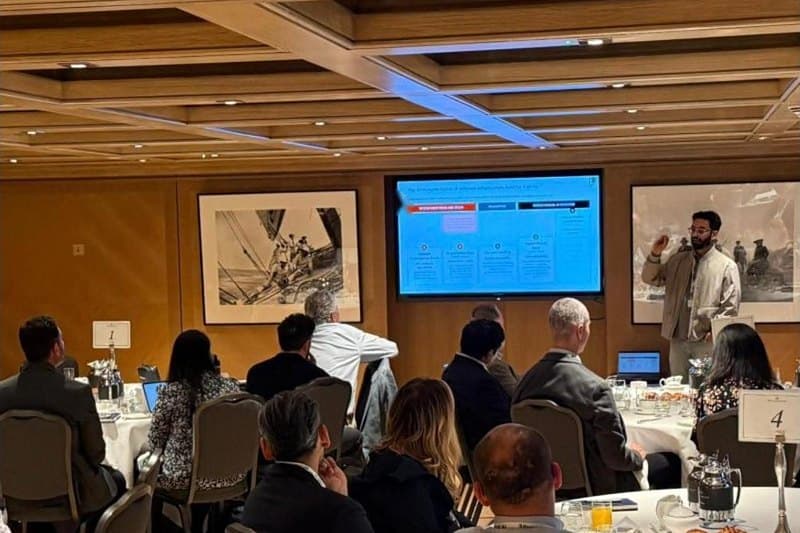
We spoke at the ECI AI Forum in Hong Kong about a problem every investment firm has: the reasoning behind its decisions is rarely written down, so AI agents have nothing to learn from.
- Date
- October 28, 2026
- Venue
- The Executive Centre, Central, Hong Kong
- Format
- Invite-only forum
- Host
- ECI
About the Event
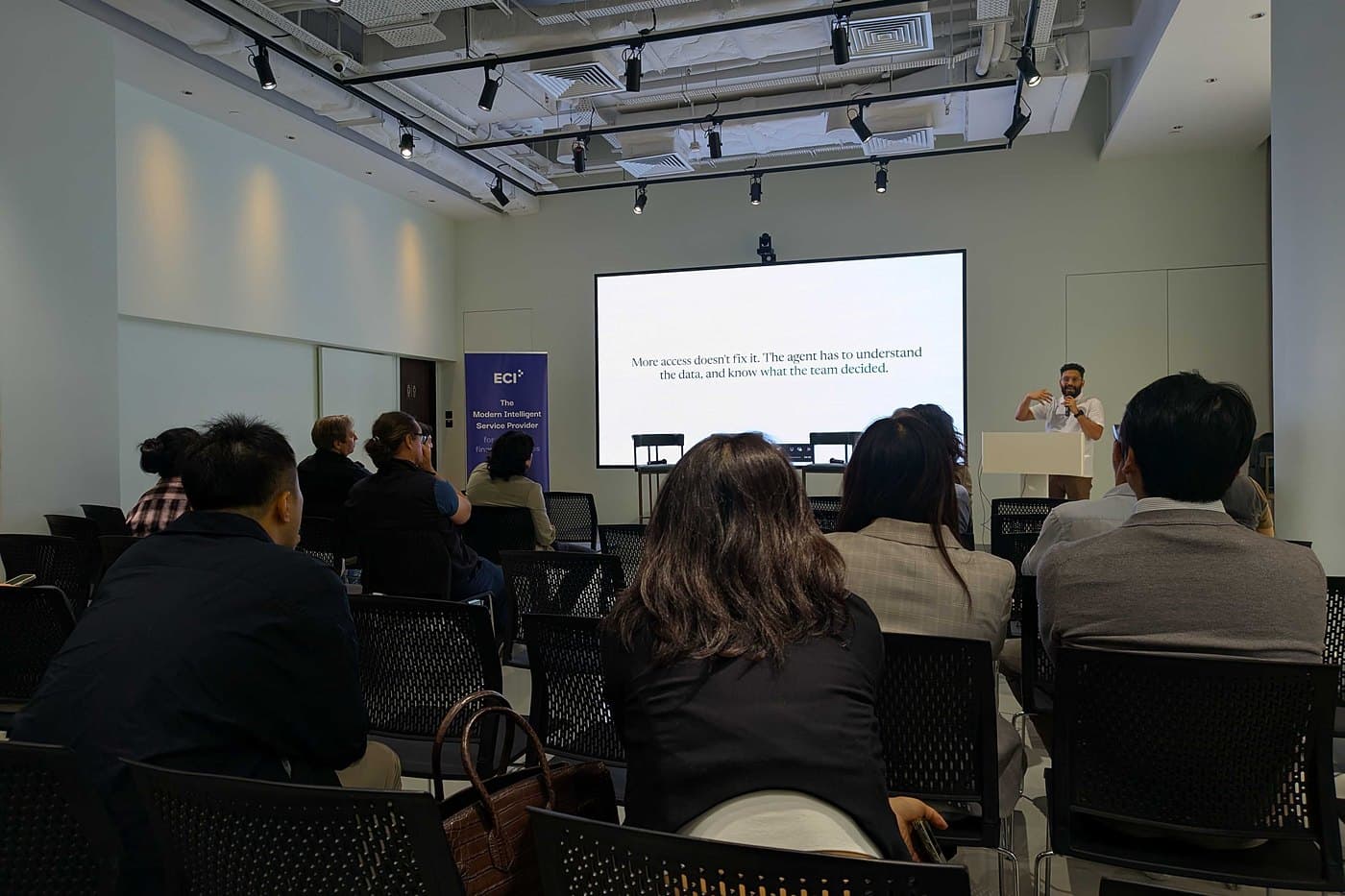
ECI, which runs technology and cybersecurity for investment firms, invited us to speak at its AI forum at The Executive Centre in Central on October 28. The audience included operations, technology and investment leaders from hedge funds and asset managers across Hong Kong.
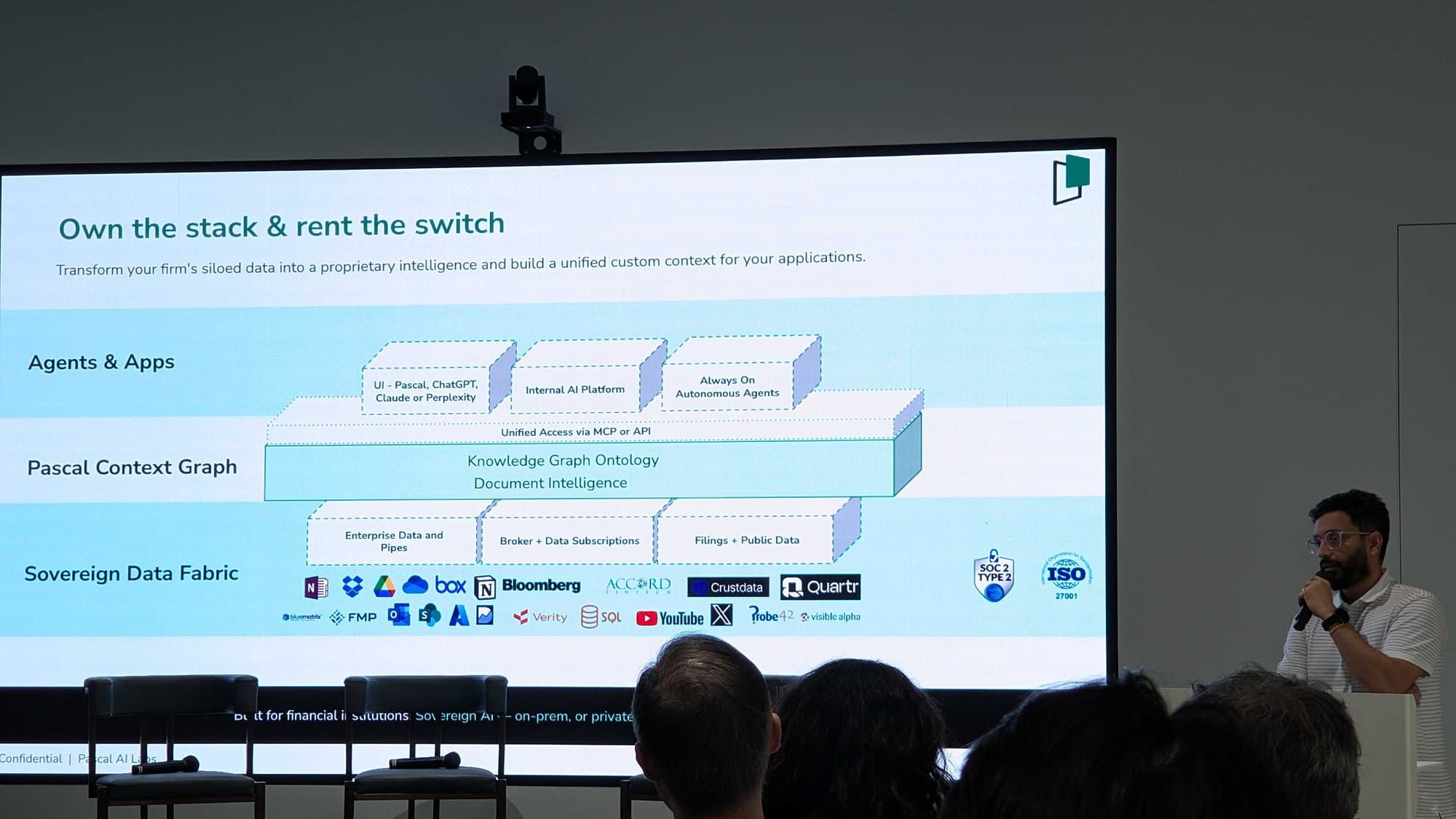
We used the session to make one argument. Every firm makes hundreds of decisions a year on positions, deals and credits. The documents those decisions produce get stored, but the reasoning behind them usually sits in people's heads, email threads and meeting notes. When those people move on, the reasoning goes with them, and any AI system the firm deploys starts from zero.
What We Covered and What the Room Asked
Every Firm Recognizes the Gap
When we describe this problem, almost every firm recognizes it straight away, and Hong Kong was no different. The questions after the talk were about where to start, which tells us the problem is well understood. What firms lack is a practical way to capture reasoning without asking analysts to write more.
Documents Show the Output and Hide the Thinking
A model, a memo or a pitch book shows what a team concluded. It rarely shows why one assumption won over another, what changed the view on a company, or what a conversation settled that never made it into writing. An AI system that only reads documents inherits the conclusions and misses the judgment behind them.
Three Kinds of Decisions Are Worth Keeping
We group a team's decisions into three kinds. Factual calls, such as whether two names refer to the same company, only need to be confirmed once. House preferences, such as how a model is laid out or how actuals are labeled, should become rules every agent follows. Views about the future, such as an investment thesis and the conviction behind it, need to be tracked as new evidence arrives.
Capture the Decision While the Work Happens
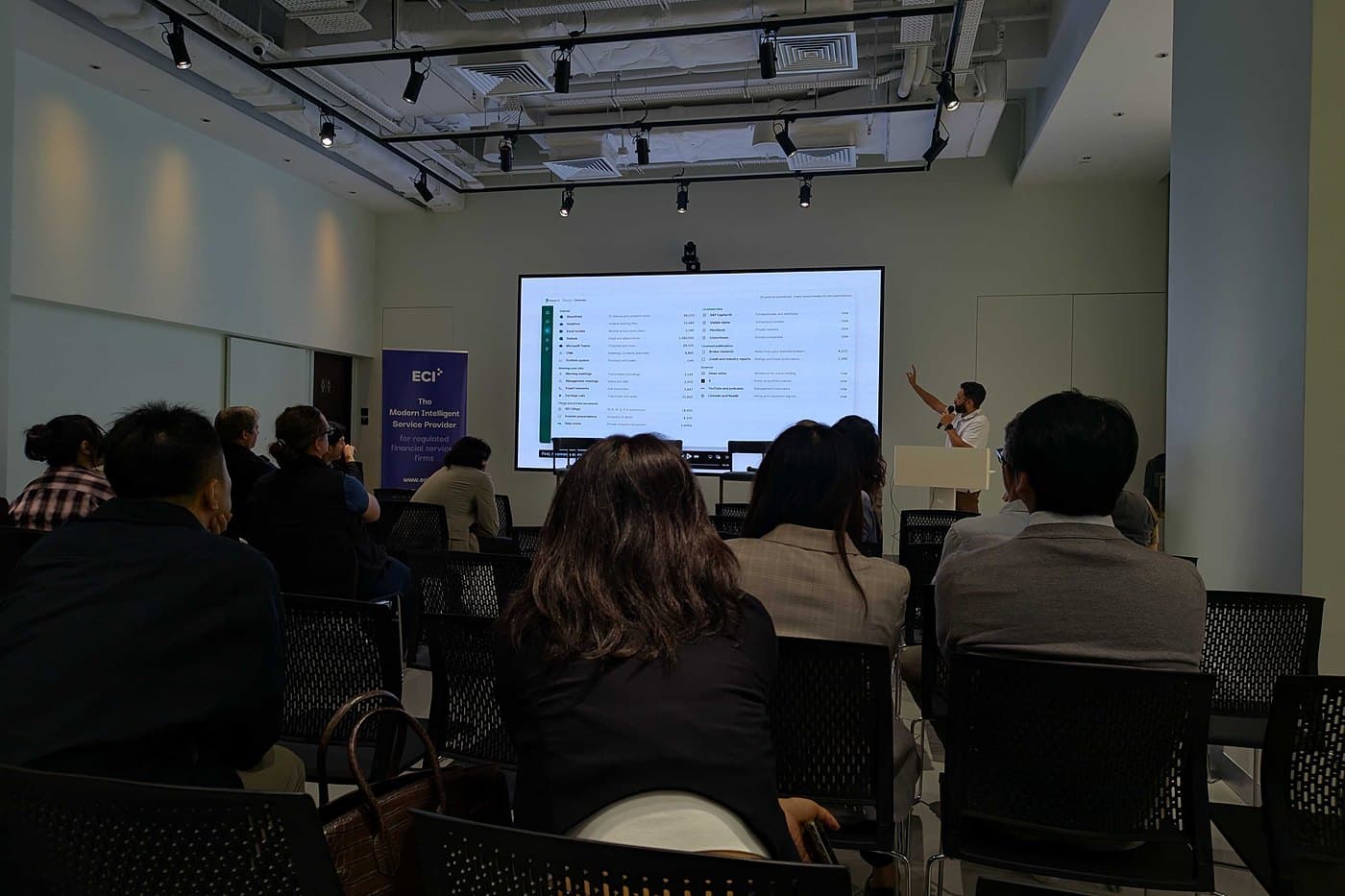
Reasoning written up after the fact rarely survives, so the system has to record decisions as people make them. In our live demo, an analyst confirmed a company match, corrected a column in an Excel model and updated conviction on a thesis. Each action was saved as a decision trace, and the next time an agent met the same situation, it started from the team's answer.
Memory Needs the Same Controls as Data
Most questions from the floor were about access. A decision trace carries the permissions of the work it came from, so reasoning from one desk stays with that desk. Every trace can also be followed back to the person and the source behind it, which compliance teams need before they will trust it.
Why This Matters to Us
Every firm now has access to the same AI models. What sets a firm apart is what it knows and how it has decided in the past. That is why we build decision traces on top of a context graph that each firm owns, so agents can pick up work the way an experienced analyst would. We explain the idea in more detail in Context Graphs and Decision Traces.
Thank you to the ECI team for having us.
Frequently Asked Questions
A decision trace is a record of a choice a team made and the reasoning behind it. It is saved at the moment of work so AI agents can reuse it later.

See Pascal on Your Firm's Own Data
Book a demo and we will show how context-driven agents work inside your perimeter.